Redis语法以及一些基本应用
Resids数据结构
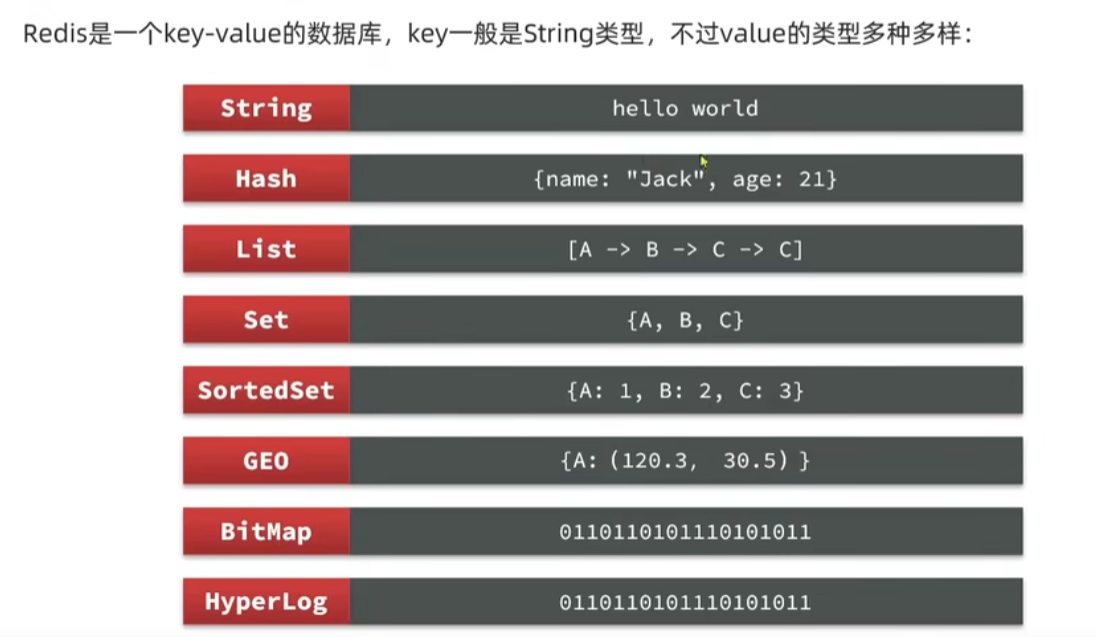
常用命令 :
- KEYS:查看符合模板的所有key
- DEL: 删除一个key
- EXISTS:判断key是否存在
- EXPIRE:给一个key设置有效时长
- TTL:这个key剩余时长
String类型

常见的有:
- SET
- GET
- MSET:批量添加
- MGET:更加多个key获取多个String类型的value
- INCR:让一个整型的key自增1
- INCRBY:让一个整型的key自增并指定步长,incrby num 2 就是让num增加2
- INCRBYFLOAT:让一个浮点类型的数字自增并指定步长
- SETNX:添加一个String类型的键值对,前提是这个key不存在
- SETEX:添加一个String类型的键值对,并且制定有效期
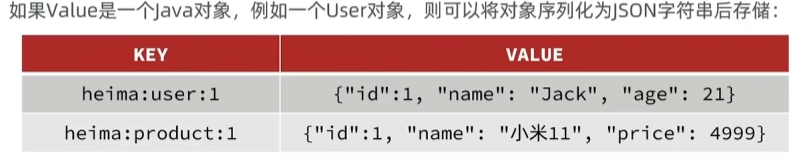
Redis没有Table的概念,如何区分不同类型的key?
允许有多个单词形成层级结构,多个单词之间用“:”隔开
项目名:业务名:类型:id
HASH类型
hashmap结构 value是一个无序字典
String结构是将对象序列化为JSON字符串后存储,当我们需要修改的时候很不方便,所以我们用hash类型来解决
Redis hash 是一个string类型的field和value的映射表,hash特别适合用于存储对象。
HMSET w3ckey name "redis tutorial" description "redis basic commands for caching" likes 20 visitors 23000HGETALL w3ckey
|

- HSET key field value 将哈希表 key 中的字段 field 的值设为 value
- HGET key field : 获取存储在哈希表中指定字段的值
- HGETALL key : 获取在哈希表中指定 key 的所有字段和值
- HDEL key field: 删除
- HMSET key field1 value1 field2 value2 : 添加/修改多个数据
- HMGET key field1 field2 :获取多个数据
- HLEN key : 获取哈希表中的字段的数量
- HEXISTS key field : 获取哈希表中是否存在指定的字段
- HKEYS keyhcals key : 获取哈希表中所有的字段名或字段值
- HINCRBY key field increment : 增加vlaue的值 前提要是Intetger
- HINCRBYFLOAT key field increment : 同 要求是float类型
例子:
HSET myhash field 5HINCRBY myhash field 1HINCRBY myhash field -1HINCRBY myhash field -10
|
list类型
双向链表
- LPUSH key element:
- LPOP key :移除并返回列表左侧的第一个元素,没有则返回null
- RPUSH key element : 向列表右侧插入元素
- RPOP key
- LRANGE key star end: 返回一段角标范围内的所有元素
- BLPOP 和BRPOP:与LPOP和RPOP类似,没有元素时等待指定时间,而不是直接返回null
set类型
与HASHset类似 可以看做一个value为null的hashmap 只关注key
- 无序
- 无重复元素
- 查找快
- 支持交集、并集、差集等功能
string常用命令有:
- SADD key member 添加元素
- SREM key member 移除
- SCARD key 返回set元素个数
- SISMEMBER key member 判断一个元素是否存在set中
- SMEMBERS 获取set中的所有元素
- SINTER key1 key2 : 求key1和可以2的交集
- SDIFF key1 key2 :差集
- SUNION : 并集 会去重
SortedSet类型
可排序的set集合,与java中的TreeSet类似。SortedSet的每一个元素都带有一个score属性,可以基于score属性对元素排序,底层实现是一个跳表(SkipList)加hash表
常见命令有:
- ZADD key score member : 添加一个或者多个元素到sorted set 如果已经存在则更新其score值
- ZREM key member : 删除
- ZSCORE key member : 获取sorted set 中指定元素的score值
- ZRANK key member: 获取指定元素的排名(方便用来做什么什么贡献榜)
- ZCARD key 获取sorted set中的元素个数
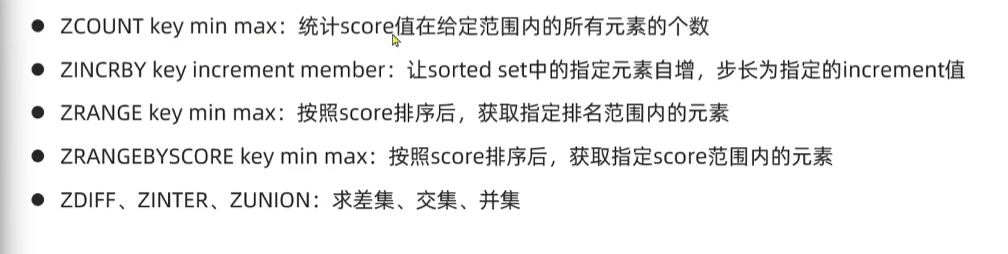
(注: 所有排名默认都是升序,如果要降序则在命令Z后添加REV就行)
Redis的java客户端
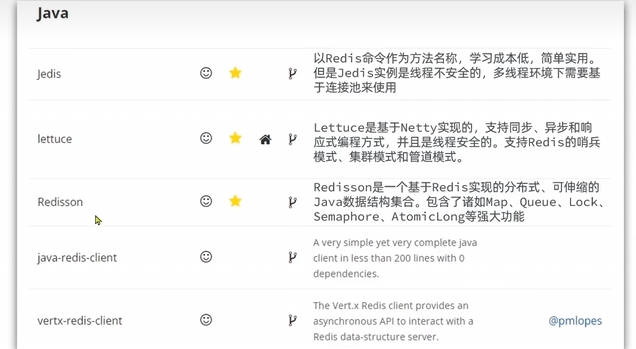
jedis连接池
jedis本身是线程不安全的,频繁的创建和销毁链接会有性能损失,用连接池来解决
SpringDataRedis

序列化问题
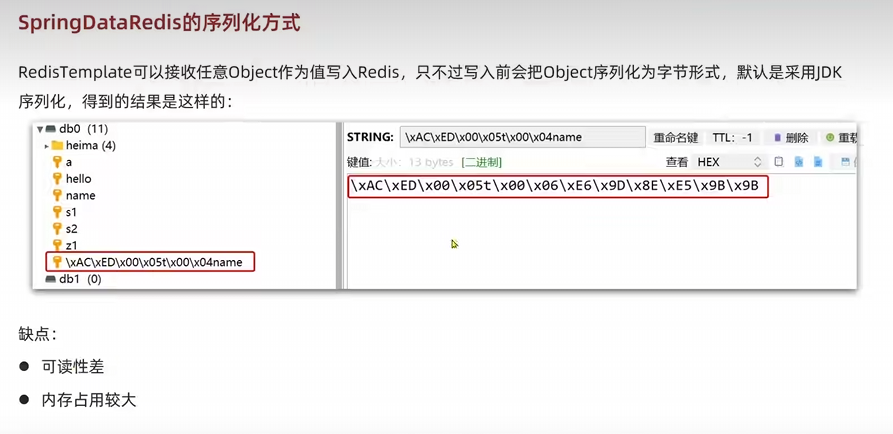
json序列化的问题
用spring自带的json解析器(jackson)
package com.wislist.iteam.util;
import org.springframework.context.annotation.Bean;
import org.springframework.context.annotation.Configuration;
import org.springframework.data.redis.connection.RedisConnectionFactory;
import org.springframework.data.redis.core.RedisTemplate;
import org.springframework.data.redis.serializer.GenericJackson2JsonRedisSerializer;
import org.springframework.data.redis.serializer.RedisSerializer;
@Configurationpublic
class RedisConfig {
@Bean
public RedisTemplate<String, Object> redisTemplate(RedisConnectionFactory connectionFactory){
new RedisTemplate<>();
template.setConnectionFactory(connectionFactory);
new GenericJackson2JsonRedisSerializer();
template.setKeySerializer(RedisSerializer.string());
template.setHashKeySerializer(RedisSerializer.string());
template.setValueSerializer(jsonRedisSerializer);
template.setHashValueSerializer(jsonRedisSerializer);
return template;
}
}
|
同时也会存在一些问题

我们可以统一使用String序列化器,只存储String类型的key和value。当需要存储java对象时,手动完成对象的序列化和反序列化
Spring提供了一个StringRedisTemplate类,默认key和value就是String方式。
两种序列化实际:
一、自定义RedisTemplate
package com.wislist.demoredis.untils;
import org.springframework.context.annotation.Bean;
import org.springframework.context.annotation.Configuration;
import org.springframework.data.redis.connection.RedisConnectionFactory;
import org.springframework.data.redis.core.RedisTemplate;
import org.springframework.data.redis.serializer.GenericJackson2JsonRedisSerializer;
import org.springframework.data.redis.serializer.RedisSerializer;
@Configurationpublic
class RedisConfig {
@Bean
public RedisTemplate<String , Object> redisTemplate(RedisConnectionFactory connectionFactory){
new RedisTemplate<>();
template.setConnectionFactory(connectionFactory);
new GenericJackson2JsonRedisSerializer();
template.setKeySerializer(RedisSerializer.string());
template.setHashValueSerializer(RedisSerializer.string());
template.setValueSerializer(jsonRedisSerializer);
template.setHashKeySerializer(jsonRedisSerializer);
return template;
}
}
|
package com.wislist.demoredis.text;
import org.junit.jupiter.api.Test;
import org.springframework.beans.factory.annotation.Autowired;
import org.springframework.boot.test.context.SpringBootTest;
import org.springframework.data.redis.core.RedisTemplate;
@SpringBootTestpublic
class JedisTest {
    @Autowired
    private RedisTemplate redisTemplate;
    @Test
    void testString() {
        redisTemplate.opsForValue().set("name","wislist");
        Object name = redisTemplate.opsForValue().get("name");
        System.out.println("name=" + name);
    }
}
|
二、使用StringRedisTemplate;写入redis时手动进行序列化
package com.wislist.demoredis.text;
import com.fasterxml.jackson.core.JsonProcessingException;
import com.fasterxml.jackson.databind.ObjectMapper;
import com.wislist.demoredis.pojo.User;
import org.junit.jupiter.api.Test;
import org.springframework.beans.factory.annotation.Autowired;
import org.springframework.boot.autoconfigure.security.SecurityProperties;
import org.springframework.boot.test.context.SpringBootTest;
import org.springframework.data.redis.core.RedisTemplate;
import org.springframework.data.redis.core.StringRedisTemplate;
@SpringBootTestpublic
class JedisStringTest {
@Autowired
private StringRedisTemplate stringRedisTemplate;
@Test
void testString() {
stringRedisTemplate.opsForValue().set("name","胡歌");
Object name = stringRedisTemplate.opsForValue().get("name");
System.out.println("name=" + name);
}
private static final ObjectMapper mapper = new ObjectMapper();
@Test
void textSaveUser() throws JsonProcessingException {
User user = new User("胡歌",21);
String json = mapper.writeValueAsString(user);
stringRedisTemplate.opsForValue().set("user:200",json);
String jsonUser = stringRedisTemplate.opsForValue().get("user:200");
mapper.readValue(jsonUser,User.class);
System.out.println(user1);
}
}
|
实战部分
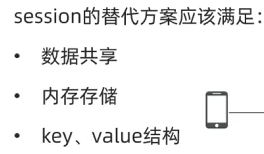
一、redis解决集群的session共享问题
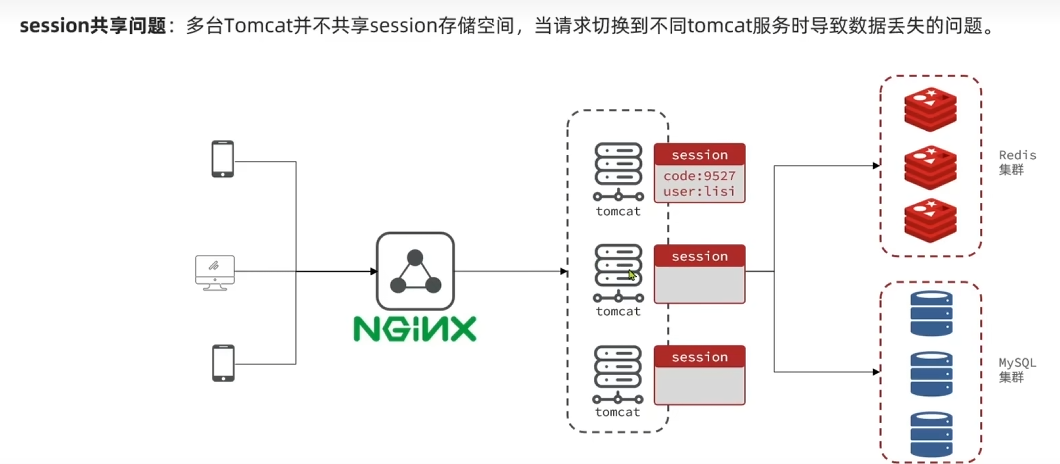
tomcat提供过数据拷贝的功能 但是会占用很大的内存空间
二、redis缓存
数据交换的缓冲区(Cache),存储数据的临时地方,一般读写性能较高。

问题:当我们将数据库里的数据更新后,缓存中的数据未更新,就会造成数据未及时更新的问题
缓存更新策略:
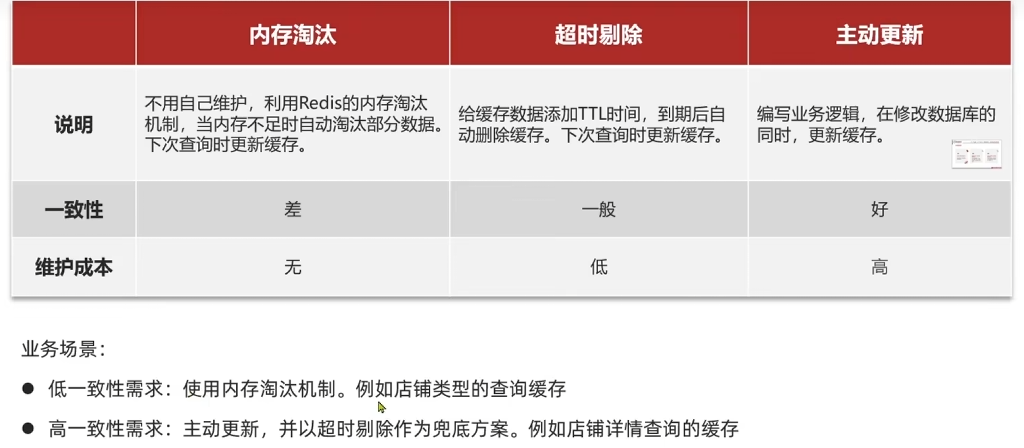
主动更新策略
- 由缓存的调用者在更新数据库的时候来更新缓存(可控性高)

* 先删除缓存,再操作数据库
* 先删除数据库,再操作缓存
缓存穿透问题
缓存穿透是指缓存和数据库中都没有的数据 ,而用户不断发起请求。由于缓存是不命中时被动写的,并且出于容错考虑,如果从存储层查不到数据则不写入缓存,这将导致这个不存在的数据每次请求都要到存储层去查询,失去了缓存的意义。
在流量大时,可能DB就挂掉了,要是有人利用不存在的key频繁攻击我们的应用,这就是漏洞。
如发起为id为“-1”的数据或id为特别大不存在的数据。这时的用户很可能是攻击者,攻击会导致数据库压力过大。
解决方法:
缓存空对象思路分析: 当我们客户端访问不存在的数据时,先请求redis,但是此时redis中没有数据,此时会访问到数据库,但是数据库中也没有数据,这个数据穿透了缓存,直击数据库,我们都知道数据库能够承载的并发不如redis这么高,如果大量的请求同时过来访问这种不存在的数据,这些请求就都会访问到数据库,简单的解决方案就是哪怕这个数据在数据库中也不存在,我们也把这个数据存入到redis中去,这样,下次用户过来访问这个不存在的数据,那么在redis中也能找到这个数据就不会进入到缓存了

布隆过滤: 布隆过滤器其实采用的是哈希思想来解决这个问题,通过一个庞大的二进制数组,走哈希思想去判断当前这个要查询的这个数据是否存在,如果布隆过滤器判断存在,则放行,这个请求会去访问redis,哪怕此时redis中的数据过期了,但是数据库中一定存在这个数据,在数据库中查询出来这个数据后,再将其放入到redis中,
假设布隆过滤器判断这个数据不存在,则直接返回
这种方式优点在于节约内存空间,存在误判,误判原因在于:布隆过滤器走的是哈希思想,只要哈希思想,就可能存在哈希冲突

缓存穿透产生的原因是什么?
- 用户请求的数据在缓存中和数据库中都不存在,不断发起这样的请求,给数据库带来巨大压力
缓存穿透的解决方案有哪些?
- 缓存null值
- 布隆过滤
- 增强id的复杂度,避免被猜测id规律
- 做好数据的基础格式校验
- 加强用户权限校验
- 做好热点参数的限流
代码部分:
Shop shop = cacheClient .queryWithPassThrough(CACHE_SHOP_KEY, id, Shop.class, this::getById, CACHE_SHOP_TTL, TimeUnit.MINUTES);
|
缓存雪崩
缓存雪崩是指在同一时段大量的缓存key同时失效或者Redis服务宕机,导致大量请求到达数据库,带来巨大压力。
解决方案:
- 给不同的Key的TTL添加随机值
- 利用Redis集群提高服务的可用性
- 给缓存业务添加降级限流策略
- 给业务添加多级缓存

缓存击穿
缓存击穿问题也叫热点Key问题,就是一个被高并发访问并且缓存重建业务较复杂的key突然失效了,无数的请求访问会在瞬间给数据库带来巨大的冲击。
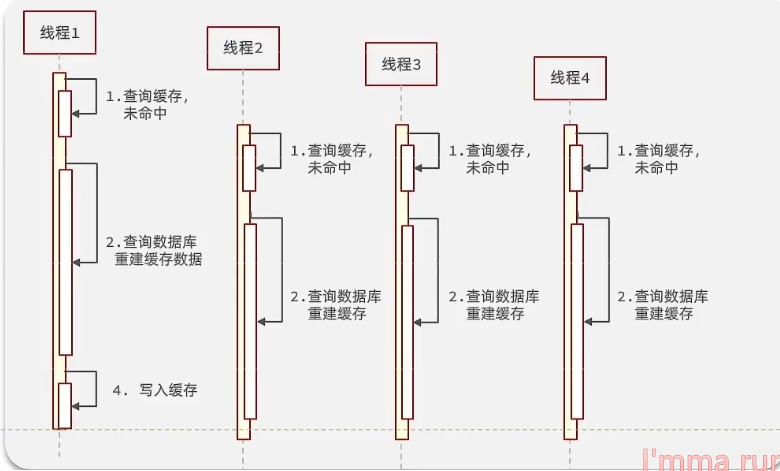
常见的解决方案有两种:

处理思路: 进行查询之后,如果从缓存没有查询到暑假,则进行互斥锁的获取,获取互斥锁后,判断是否获得了锁,如果没有获得,就休眠,过一会再次尝试,直到获取锁为止,才能查询。
如果获得了锁的线程,再去查询,查询后将数据写入redis,再释放锁,返回数据,利用互斥锁就能保证只有一个线程去执行操作数据库的逻辑,防止缓存击穿。
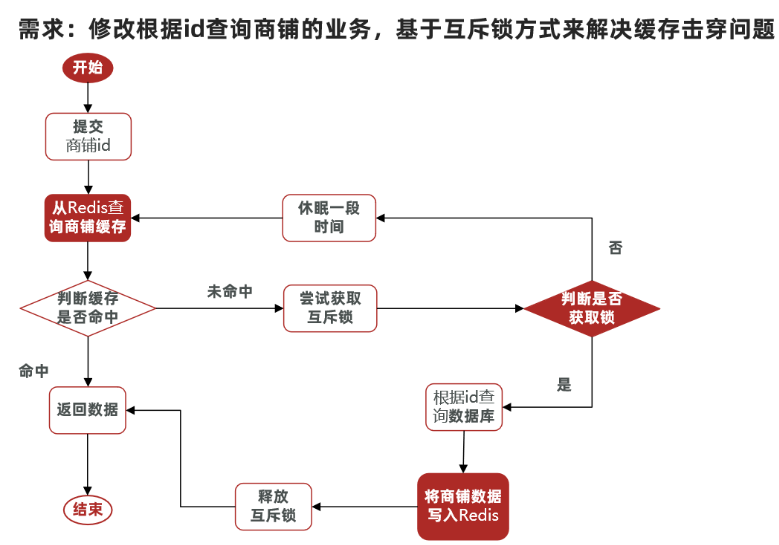
操作锁的代码
利用redis的setnx方法来表示获取锁,该方法的含义是redis如果没有这个key则插入成功,返回1,在stringRedisTemplate中返回true,如果这个key插入失败 返回0,在stringRedisTemplate返回false,我们可以通过返回的结果来判断是否有线程成功插入key,插入成功的线程就是获得锁的线程。
private boolean tryLock(String key) {
    Boolean flag = stringRedisTemplate.opsForValue().setIfAbsent(key, "1", 10, TimeUnit.SECONDS);
    return BooleanUtil.isTrue(flag);
}
private void unlock(String key) {
    stringRedisTemplate.delete(key);
}
|
操作代码:
public Shop queryWithMutex(Long id) {
String key = CACHE_SHOP_KEY + id;
String shopJson = stringRedisTemplate.opsForValue().get("key");
if (StrUtil.isNotBlank(shopJson)) {
return JSONUtil.toBean(shopJson, Shop.class);
}
if (shopJson != null) {
return null;
}
String lockKey = "lock:shop:" + id;
Shop shop = null;
try {
boolean isLock = tryLock(lockKey);
if(!isLock){
Thread.sleep(50);
return queryWithMutex(id);
}
if(shop == null){
stringRedisTemplate.opsForValue().set(key,"",CACHE_NULL_TTL,TimeUnit.MINUTES);
return null;
}
stringRedisTemplate.opsForValue().set(key,JSONUtil.toJsonStr(shop),CACHE_NULL_TTL,TimeUnit.MINUTES);
}
catch (Exception e){
throw new RuntimeException(e);
}
finally {
}
return shop;
}
|
问题就是:当一个线程在做缓存的时候 其他线程在等待 若是这一个线程在同步的过程中等待的时间过久 就会使得项目运行缓慢 类似线程饥饿
我们之所以会出现这个缓存击穿问题,主要原因是在于我们对key设置了过期时间,假设我们不设置过期时间,其实就不会有缓存击穿的问题,但是不设置过期时间,这样数据不就一直占用我们内存了吗,我们可以采用逻辑过期方案。
我们将过期的时间设置在redis的value中,这个过期时间并不直接作用于redis,而是我们后续通过逻辑去处理。
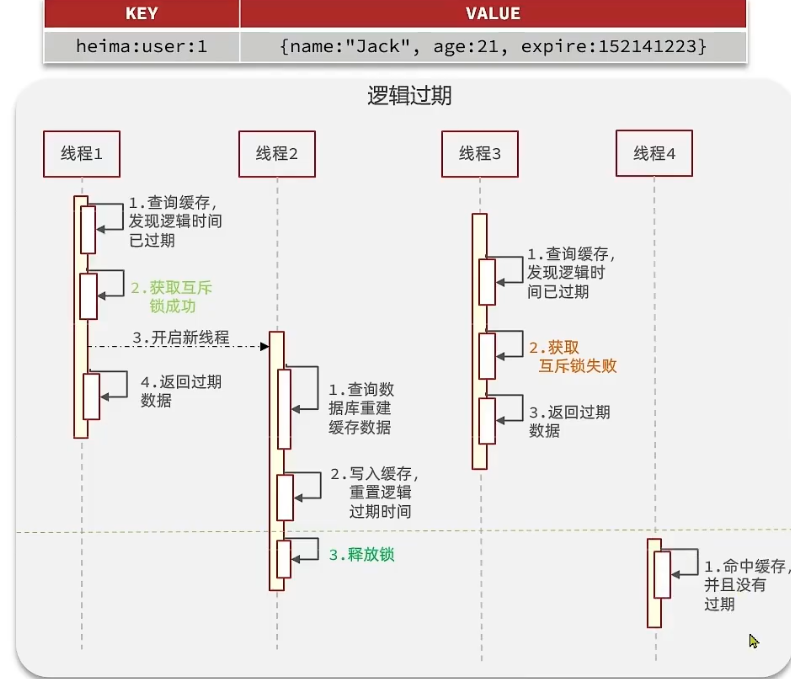
其过程:线程1去查询缓存,然后从value中判断出来当前的数据已经过期了,这时线程1去获得互斥锁,那么其他线程就是堵塞,获得锁的线程它会开启一个线程去进行以前的重构数据的逻辑,直到新开的线程完成这个逻辑后,才释放锁,而线程1直接进行返回,假设现在线程3过来范文,由于线程2持有锁,线程3无法获得锁,线程3直接返回数据,只有等到新开的线程2把数据构建完后,其他的线程才能周返回正确的数据。
现在有一个需求:修改根据id查询商铺的业务,基于逻辑过期方式来解决缓存击穿问题
当用户开始查询redis时,判断是否命中,如果没有命中则直接返回空数据,不查询数据库,而一旦命中后,将value取出,判断vlaue中的过期时间是否满足,如果没有过期,则直接返回redis中的数据,如果过期,则在开启独立线程后直接返回之前的数据,独立线程去重构数据,重构完成后释放互斥锁。

如果封装数据:因为现在redis中存储的数据的vlaue需要带上过期时间,此时要么你去修改原来的实体类,要么就采用以下方案:
一、新建一个实体类,这个方案对原来的代码没有侵入性。
@Datapublic
class RedisData {
    private LocalDateTime expireTime;
    private Object data;
}
|
二、在ShopServiceImpl 新增此方法,利用单元测试进行缓存预热
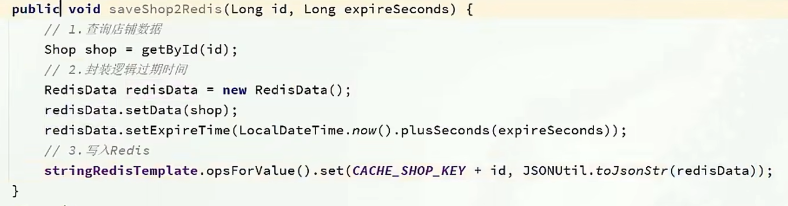
测试类中

步骤三 :
private static final ExecutorService CACHE_REBUILD_EXECUTOR = Executors.newFixedThreadPool(10);
public Shop queryWithLogicalExpire( Long id ) {
String key = CACHE_SHOP_KEY + id;
String json = stringRedisTemplate.opsForValue().get(key);
if (StrUtil.isBlank(json)) {
return null;
}
JSONUtil.toBean(json, RedisData.class);
Shop shop = JSONUtil.toBean((JSONObject) redisData.getData(), Shop.class);
LocalDateTime expireTime = redisData.getExpireTime();
if(expireTime.isAfter(LocalDateTime.now())) {
return shop;
}
String lockKey = LOCK_SHOP_KEY + id;
boolean isLock = tryLock(lockKey);
if (isLock){
CACHE_REBUILD_EXECUTOR.submit( ()->{ try{
this.saveShop2Redis(id,20L); }catch (Exception e){ throw new RuntimeException(e); }finally { unlock(lockKey); } });
}
return shop;
}
|
这种方案好在异步的构建缓存,缺点就是在构建完缓存之前,返回的都是脏数据。
两种方案对比:
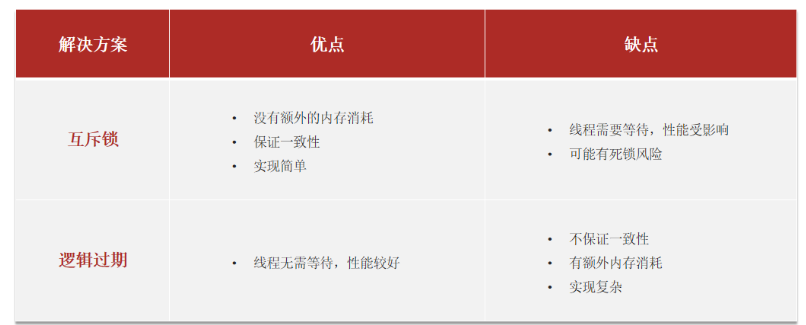
综上,可以将方法放置在一个方法类里
基于StringRedisTemplate封装一个缓存工具类,满足下列需求:
- 方法1:将任意Java对象序列化为json并存储在string类型的key中,并且可以设置TTL过期时间
- 方法2:将任意Java对象序列化为json并存储在string类型的key中,并且可以设置逻辑过期时间,用于处理缓
存击穿问题
- 方法3:根据指定的key查询缓存,并反序列化为指定类型,利用缓存空值的方式解决缓存穿透问题
- 方法4:根据指定的key查询缓存,并反序列化为指定类型,需要利用逻辑过期解决缓存击穿问题
将逻辑进行封装
@Slf4j
@Componentpublic
class CacheClient {
private final StringRedisTemplate stringRedisTemplate;
private static final ExecutorService CACHE_REBUILD_EXECUTOR = Executors.newFixedThreadPool(10);
public CacheClient(StringRedisTemplate stringRedisTemplate) {
this.stringRedisTemplate = stringRedisTemplate;
}
public void set(String key, Object value, Long time, TimeUnit unit) {
stringRedisTemplate.opsForValue().set(key, JSONUtil.toJsonStr(value), time, unit);
}
public void setWithLogicalExpire(String key, Object value, Long time, TimeUnit unit) {
new RedisData();
redisData.setData(value);
redisData.setExpireTime(LocalDateTime.now().plusSeconds(unit.toSeconds(time)));
stringRedisTemplate.opsForValue().set(key, JSONUtil.toJsonStr(redisData));
}
public <R,ID> R queryWithPassThrough( String keyPrefix, ID id, Class<R> type, Function<ID, R> dbFallback, Long time, TimeUnit unit){
String key = keyPrefix + id;
String json = stringRedisTemplate.opsForValue().get(key);
if (StrUtil.isNotBlank(json)) {
return JSONUtil.toBean(json, type);
}
if (json != null) {
return null;
}
dbFallback.apply(id);
if (r == null) {
stringRedisTemplate.opsForValue().set(key, "", CACHE_NULL_TTL, TimeUnit.MINUTES);
return null;
}
this.set(key, r, time, unit);
return r;
}
public <R, ID> R queryWithLogicalExpire( String keyPrefix, ID id, Class<R> type, Function<ID, R> dbFallback, Long time, TimeUnit unit) {
String key = keyPrefix + id;
String json = stringRedisTemplate.opsForValue().get(key);
if (StrUtil.isBlank(json)) {
return null;
}
JSONUtil.toBean(json, RedisData.class);
R r = JSONUtil.toBean((JSONObject) redisData.getData(), type);
LocalDateTime expireTime = redisData.getExpireTime();
if(expireTime.isAfter(LocalDateTime.now())) {
return r;
}
String lockKey = LOCK_SHOP_KEY + id;
boolean isLock = tryLock(lockKey);
if (isLock){
CACHE_REBUILD_EXECUTOR.submit(() -> { try {
dbFallback.apply(id);
this.setWithLogicalExpire(key, newR, time, unit); } catch (Exception e) { throw new RuntimeException(e); }finally {
} });
}
return r;
}
public <R, ID> R queryWithMutex( String keyPrefix, ID id, Class<R> type, Function<ID, R> dbFallback, Long time, TimeUnit unit) {
String key = keyPrefix + id;
String shopJson = stringRedisTemplate.opsForValue().get(key);
if (StrUtil.isNotBlank(shopJson)) {
return JSONUtil.toBean(shopJson, type);
}
if (shopJson != null) {
return null;
}
String lockKey = LOCK_SHOP_KEY + id;
R r = null;
try {
boolean isLock = tryLock(lockKey);
if (!isLock) {
Thread.sleep(50);
return queryWithMutex(keyPrefix, id, type, dbFallback, time, unit);
}
dbFallback.apply(id);
if (r == null) {
stringRedisTemplate.opsForValue().set(key, "", CACHE_NULL_TTL, TimeUnit.MINUTES);
return null;
}
this.set(key, r, time, unit);
}
catch (InterruptedException e) {
throw new RuntimeException(e);
}
finally {
}
return r;
}
private boolean tryLock(String key) {
Boolean flag = stringRedisTemplate.opsForValue().setIfAbsent(key, "1", 10, TimeUnit.SECONDS);
return BooleanUtil.isTrue(flag);
}
private void unlock(String key) {
stringRedisTemplate.delete(key);
}
}
|
在ShopServiceImpl 中
@Resourceprivate
CacheClient cacheClient;
@Override
public Result queryById(Long id) {
cacheClient .queryWithPassThrough(CACHE_SHOP_KEY, id, Shop.class, this::getById, CACHE_SHOP_TTL, TimeUnit.MINUTES);
if (shop == null) {
return Result.fail("店铺不存在!");
}
return Result.ok(shop);
}
|